
Fast Installs Create Slow Problems
When a project comes together quickly, it feels like a win. The countertop stone selection is gorgeous and installation feels like a breeze. The backsplash is catching that golden light, and everyone’s excited to snap the first photos. Keep the timeline moving fast. But in the world of stone and tile, fast installs often plant the seeds of slow problems, and sneaky issues can creep up months or even years later, quietly draining budgets and client confidence. For builders in Baton Rouge and beyond, rushing a stone install will result in more than a cosmetic headache on blue tape day. Poorly installed stone will become a long-term liability.
Why Speed Has Become the Default
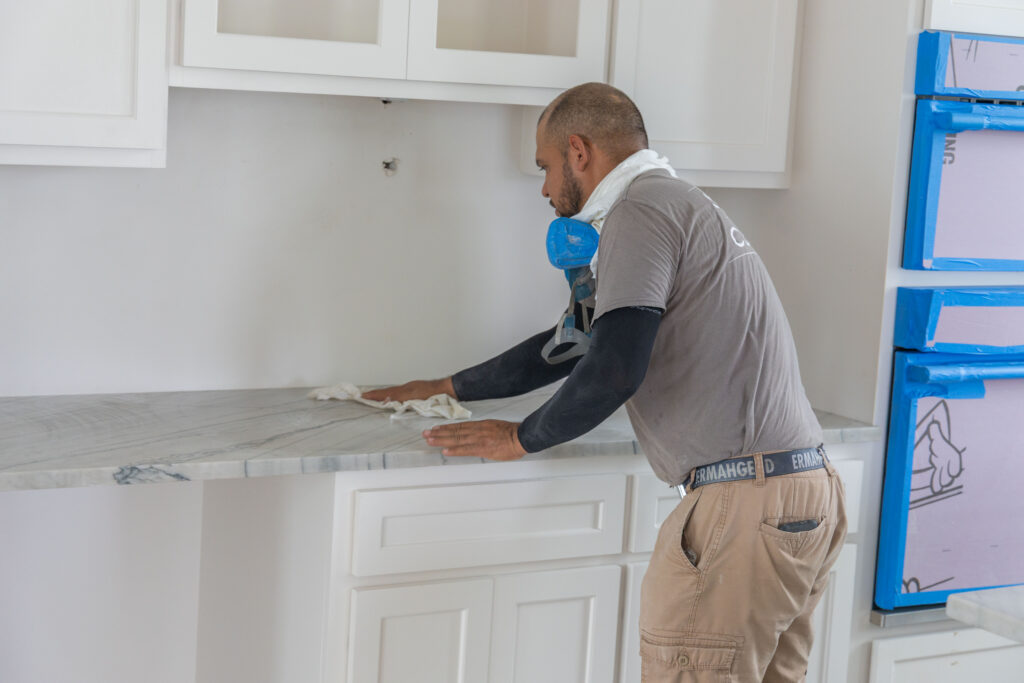
In today’s construction market, timelines are tight. Homeowners want their new construction or renovations done yesterday, and spec homes and flippers are chasing quick turnarounds to hit market windows. Even local Baton Rouge builders face pressure to meet deadlines without compromising design, but that can mean rushing the very materials meant to last decades. Social media certainly doesn’t help either. Everyone wants the “wow” shot immediately, but the reality is that quality work is a slow burn. The problem isn’t just impatience but a systemic rush that treats natural stone and tile as if they were disposable finishes. If careful preparation is not taken for handling and installation, then the result will be cracks, uneven floors, and surfaces that show their flaws long before they should.
Where Rushed Installs Go Wrong
Rushing an install might save a few days, but it can cost far more in the long run. Here are the most common ways speed sabotages stone and tile work:
-
Skipped Surface Prep
The foundation of any project starts below the surface, and stone and tile are no different. Rushing means skipping steps like leveling, curing, and moisture testing. In Baton Rouge’s humid climate, this can be especially disastrous if not appropriately addressed. Without proper prep, tiles shift, grout cracks, and slabs settle unevenly. What looked perfect on day one can quickly turn into a maintenance nightmare. Not to mention a red flag for resale value.
-
Poor Material Selection Under Time Pressure
Choosing materials quickly often leads to picking what’s “in stock” instead of what’s right for the space. Sometimes what’s available is great, but not all stone handles Louisiana humidity, high-traffic kitchens, or outdoor patios equally. The wrong choice might stain, crack, or fade far earlier than expected, turning an aesthetic investment into a functional headache.
-
Rushed Layout and Cuts
Speed can kill precision. Skipping dry layouts, ignoring veining patterns, or cutting corners at transitions creates visual flaws that can’t be undone. Consider a stone fireplace surround with minimal veining. The placement really matters, and having one line unevenly placed would create a huge eyesore in a pivotal place in the main living area. In the rush to be “on time,” misaligned seams or awkward placements can more readily occur.
-
Inadequate Sealing and Finishing
Sealing stone is a necessary finishing touch because it’s also a protection. Skipping or rushing this step, or even using the wrong products, leaves surfaces vulnerable to etching, discoloration, and damage from everyday use. Baton Rouge’s mix of humidity and sunlight only amplifies these risks. Whether you’re conducting a renovation or going through new construction, be sure to ask about the best recommendations for stone sealant and finishing.
The “Slow Problems” Homeowners Live With
The big costs of fast installs don’t show up in the first invoice but over time. A cracked tile is disappointing, but it doesn’t seem like that big of a deal. But suddenly homeowners are dealing with uneven floors and crooked countertops, eroding confidence in the build as a whole and the materials throughout the home. Repairs often end up costing more than just doing it right the first time (even if your schedule takes a hit), and the home’s resale value can drop. A rushed install might meet a timeline, but it rarely meets a homeowner’s expectations for longevity.

What a Thoughtful Install Looks Like
The truth is that high quality installs aren’t fast, they’re intentional. That doesn’t mean they’re slow, or that you necessarily have to sacrifice the schedule. But you have to understand that rushing will create problems. For builders, that means:
- Thorough prep: Ensuring the substrate is level, cured, and moisture-tested.
- Material matching: Selecting stone that fits the space, lifestyle, and climate.
- Meticulous layout: Planning cuts, patterns, and transitions before a single tile is set.
- Proper sealing and finishing: Giving each surface the protection it needs to perform for decades.

When these steps are followed, the project could take a little longer, but the payoff is lasting beauty, client satisfaction, and a reputation for premium work. At STONE, we’ve worked with Baton Rouge builders who understand that careful installs are the only way to go. After all, rushing only creates a rush to more problems.
Why STONE Doesn’t Rush Stone
Our philosophy is simple: stone is a material with permanence, and installs should honor that. We prioritize craftsmanship, education, and the right materials over convenience. Experienced installers, quality products, and a focus on long-term performance are what keep our projects standing, and our clients happy.
The Right Question to Ask
Before you schedule your next install, ask yourself: “How long do I want this to last?” Because the real cost isn’t measured only in days, but in the decades of value. Fast installs may feel like wins today, but only careful, well-executed work preserves beauty, integrity, and client trust.
Want to work with an expert stone installation team?
Schedule your consultation today.
Frequently Asked Questions About Stone Installation in Baton Rouge
1. Why is rushing a stone installation risky in Baton Rouge homes?
Rushing a stone installation in Baton Rouge can lead to long-term issues due to the region’s high humidity and shifting soil conditions. Without proper moisture testing, curing, and leveling, stone and tile can crack, shift, or develop uneven surfaces. What looks beautiful at install can quickly become a costly repair.
2. How does Louisiana humidity affect stone and tile installations?
Louisiana’s humid climate can trap moisture beneath stone and tile if surfaces aren’t properly prepared. This can cause grout cracking, tile movement, discoloration, and even mold growth. Professional installers in Baton Rouge should always perform moisture testing and ensure proper sealing before completion.
3. What are common problems caused by rushed countertop installations?
Common issues include:
-
Cracked or shifting tiles
-
Uneven countertops or floors
-
Misaligned seams and veining
-
Grout deterioration
-
Premature staining or etching
These problems often appear months after installation, leading to expensive repairs and reduced home value.
4. How important is surface preparation before installing stone or tile?
Surface preparation is critical. Proper substrate leveling, curing, and moisture control ensure long-term durability. Skipping prep work is one of the biggest causes of stone installation failure in Baton Rouge homes.
5. What type of stone works best in Baton Rouge’s climate?
Not all stone performs equally in Louisiana’s humidity and heat. Quartz is popular for its non-porous durability, while certain natural stones require proper sealing and maintenance. A professional stone supplier in Baton Rouge can help match materials to climate, traffic level, and usage.
6. Why does proper sealing matter for stone countertops and tile?
Sealing protects stone from moisture, stains, and etching. In Baton Rouge, where humidity and sunlight are constant factors, improper or rushed sealing can lead to discoloration and surface damage much sooner than expected.
7. Can rushed stone installation affect home resale value?
Yes. Uneven flooring, cracked tile, and poorly aligned countertops are red flags during inspections and walkthroughs. Buyers notice craftsmanship. A properly installed stone surface enhances resale value, while rushed work can reduce buyer confidence.
8. How long should a professional stone installation take?
While timelines vary by project size, quality installations prioritize preparation, layout planning, and proper finishing over speed. A reputable Baton Rouge stone installation company will balance efficiency with craftsmanship to ensure longevity.
9. What does a high-quality stone installation process look like?
A thoughtful installation includes:
-
Thorough substrate preparation
-
Moisture testing (especially important in Louisiana)
-
Careful material selection
-
Detailed layout planning
-
Precision cutting and seam alignment
-
Proper sealing and finishing
These steps protect your investment for decades.
10. Why choose a local Baton Rouge stone installation expert?
Local experts understand regional challenges like humidity, soil movement, and climate-specific material performance. Working with an experienced Baton Rouge stone company ensures your countertops, fireplaces, backsplashes, or flooring are built to last in South Louisiana conditions.
11. Is it worth delaying a project to ensure proper stone installation?
Absolutely. A short delay during installation is far less costly than years of repairs, callbacks, or reputation damage. Quality stonework is an investment meant to last decades — not just pass inspection day.
12. How do I schedule a professional stone installation consultation in Baton Rouge?
If you’re planning new construction or renovation in Baton Rouge, consult with an experienced stone installation team early in the design process. Proper planning prevents costly mistakes and ensures your project delivers both beauty and durability.